


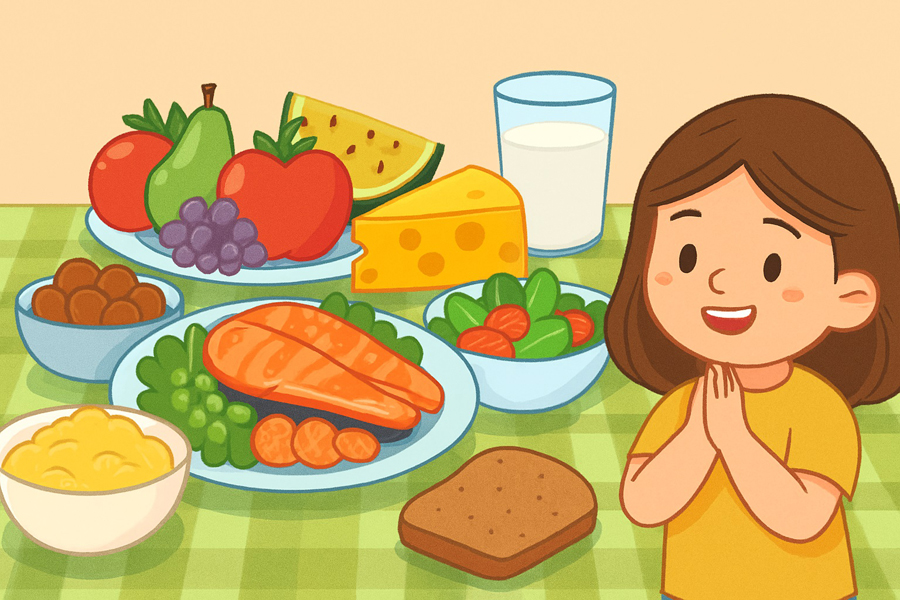
Ensuring children receive proper nutrition is essential for their growth, immunity, and mental development. A well-balanced diet not only fuels their energy but also lays the foundation for lifelong healthy habits. From colorful fruits to protein-rich meals, every bite matters in shaping their future. This guide explores eight essential dietary components that promote wellness in kids. Whether you’re a parent, caregiver, or educator, these tips will help you make informed choices about what goes on your child’s plate. Discover how to build a wholesome meal plan that supports physical strength, brain power, and emotional well-being.
Include a Rainbow of Fruits
Fruits are nature’s candy packed with vitamins, antioxidants, and fiber. Offering a variety of fruits like apples, bananas, berries, oranges, and mangoes ensures children get a wide spectrum of nutrients. Each color represents different health benefits-red fruits boost heart health, orange ones support vision, and purple fruits enhance memory. Fresh fruits are best, but frozen or dried options without added sugar are also good. Serve fruits as snacks, in smoothies, or as part of breakfast. Avoid canned fruits with syrup. Encourage kids to try new fruits regularly to build taste diversity and reduce picky eating habits.
Serve a Variety of Vegetables
Vegetables are crucial for vitamins A, C, and K, as well as minerals like iron and calcium. Leafy greens like spinach and kale support bone health, while carrots and sweet potatoes aid vision. Introduce vegetables in fun ways-make veggie wraps, add them to pasta sauces, or blend them into soups. Raw veggies like cucumbers and bell peppers make great snacks. Aim for at least three servings daily. Rotate between colors and types to maximize benefits. If your child resists vegetables, involve them in cooking or gardening to spark interest and appreciation for plant-based foods.
Choose Whole Grains Over Refined
Whole grains provide fiber, B vitamins, and sustained energy. Unlike refined grains, they help regulate digestion and keep children full longer. Opt for whole-wheat bread, brown rice, oats, quinoa, and popcorn. These grains support brain function and reduce the risk of obesity. Start the day with oatmeal or whole-grain cereal. Replace white rice with brown rice in meals. Whole grain pasta is a great alternative to regular pasta. Read labels to ensure “whole” is listed as the first ingredient. Gradually introduce these grains to help kids adjust their taste preferences without resistance.
Prioritize Lean Proteins
Protein is vital for muscle development, immune strength, and cell repair. Include lean sources like eggs, chicken, fish, tofu, beans, and lentils. Eggs are especially beneficial as they contain vitamin D and choline for brain health. Beans and lentils are excellent plant-based options rich in iron and fiber. Serve grilled chicken or fish instead of fried. Peanut butter and hummus make protein-rich snacks. Avoid processed meats like sausages and nuggets. Rotate protein sources to prevent boredom and ensure a balanced intake. Protein should be part of every major meal to support growth and stamina.
Offer Low-Fat Dairy Products
Dairy provides calcium, vitamin D, and protein essential for strong bones and teeth. Choose low-fat milk, yogurt, and cheese to reduce saturated fat intake. Fortified plant-based alternatives like soy or almond milk are good for lactose-intolerant children. Yogurt with live cultures supports gut health. Avoid flavored yogurts with added sugars. Serve milk with breakfast or as a drink with meals. Cheese sticks and yogurt parfaits make great snacks. Limit cream-based sauces and full-fat dairy. Encourage kids to enjoy dairy in different forms to meet their daily calcium needs without excess calories.
Limit Added Sugars and Salt
Excess sugar and salt can lead to obesity, diabetes, and high blood pressure. Avoid sugary drinks, candies, and packaged snacks. Choose cereals with low sugar content. Offer water or milk instead of soda or juice. Use herbs and spices to flavor food instead of salt. Read nutrition labels to check for hidden sugars and sodium. Homemade meals help control ingredients better. Teach children to enjoy natural flavors. Gradually reduce sugar in recipes to adjust their palate. Making these changes early helps build lifelong habits that protect against chronic diseases.
Encourage Healthy Snacking
Snacks are an opportunity to boost nutrition between meals. Instead of chips or cookies, offer fruits, nuts, yogurt, or whole-grain crackers. Keep healthy options visible and accessible. Prepare snack boxes with carrot sticks, apple slices, and boiled eggs. Avoid snacks with artificial colors or preservatives. Homemade granola bars or smoothies are great alternatives. Let kids choose from a list of healthy snacks to give them autonomy. Snacking should be mindful, not just out of boredom. Balanced snacks maintain energy levels and prevent overeating during main meals.
Promote Family Meals and Involvement
Eating together fosters emotional bonding and better eating habits. Children mimic adult behavior, so model healthy choices. Involve kids in grocery shopping and meal prep. Let them wash vegetables, stir ingredients, or set the table. This builds interest and appreciation for food. Discuss the benefits of each food during meals. Avoid distractions like screens at the table. Make mealtimes enjoyable and stress-free. Regular family meals improve nutrition, communication, and emotional well-being. It’s not just about what’s on the plate-it’s about the experience around it.
ALSO READ-Why Trust Is Declining in Modern Society
Disclaimer: The articles, videos, and news published and shared on Theconnect24.com covering topics such as religion, astrology, health, yoga, history, mythology, and others are intended solely for general informational purposes. These materials are sourced from various references, and Theconnect24.com does not guarantee or verify their accuracy, completeness, or authenticity. Viewers are strongly advised to seek guidance from qualified experts or specialists before practicing, following, or experimenting with any information related to astrology, health, or similar subjects. This content is presented purely for the interest of viewers and does not carry any scientific validation or evidence.
 Loading ...